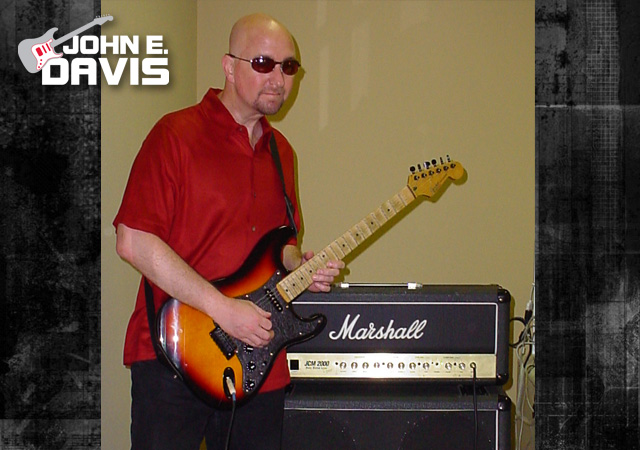
The Park Springs Recording Studio located in Arlington, Texas offered music audio production, music CD production, music video production and music website building for musicians and bands in the Dallas and Fort Worth metroplex.
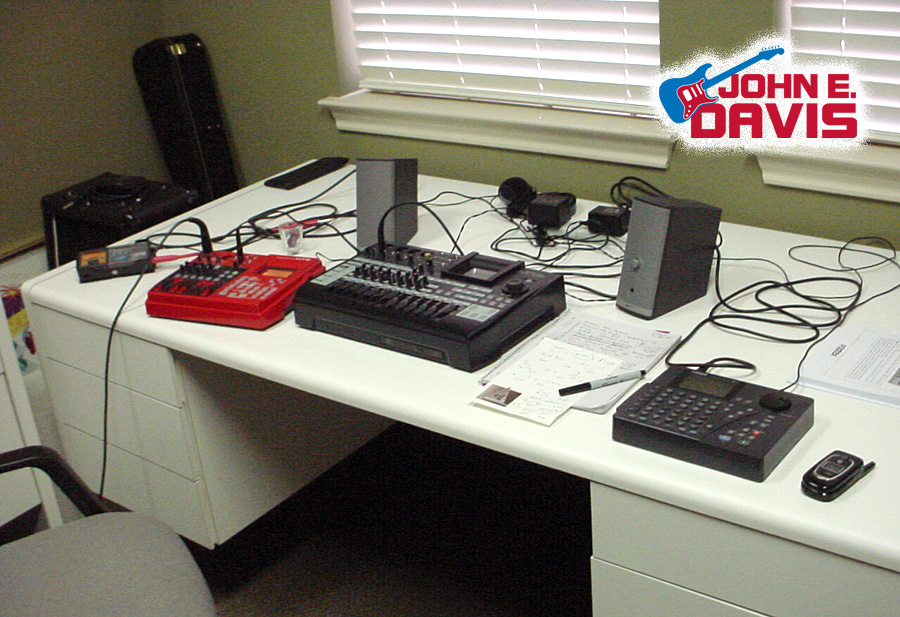
The modern recording studio encompasses far more than just an assortment of microphones and equipment. Also, the studio is the birthplace of sonic artistry. These environments are meticulously crafted to capture, mix, edit, and produce audio. Whether it be music, film dialogues, podcasts, or any other form of auditory expression.
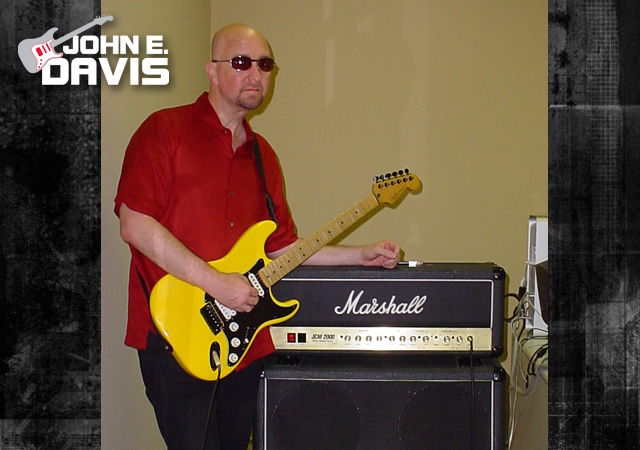
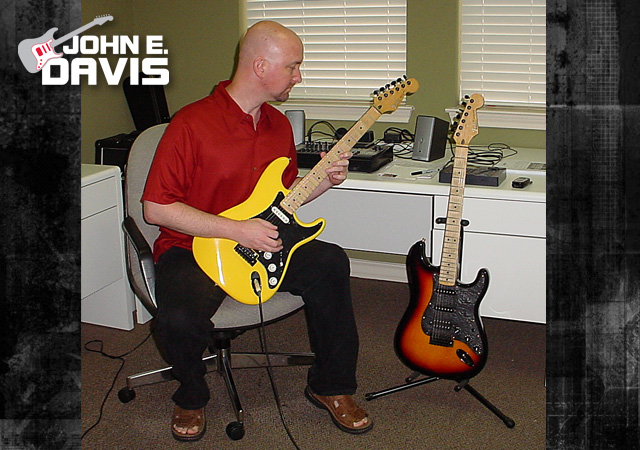
Here with my Marshall DSL 2000 stack at the Park Springs Recording Studio
In the past, the distinction was straightforward. Recording studios were categorized as either “large,” which indicated a commercial space, or “small,”. Which generally referred to private facilities. Numerous variations existed within each category, influenced by the track count of the recorder, the number of rooms, and the dimensions of the live space. However, fundamentally, “large” studios were deemed serious, while “small” studios catered to home-based artists.
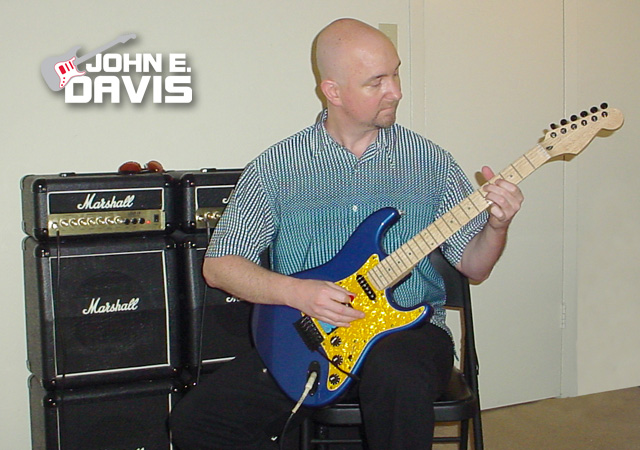
Naturally, the advent of the “project studio” changed the landscape, leading to a rise in the prevalence of “private studios,”. However, several prominent studios in key markets ceased operations. The middle class faced challenges, mirroring trends in various industries, and reports began to circulate regarding the industry’s decline.
Nevertheless, this was far from a definitive end. Studios continue to be established, and music and sound production are occurring at unprecedented levels. The industry has simply evolved, now incorporating laptops, file sharing, and multi-location production. The reduced barriers to entry for artists, producers, and engineers have transformed the landscape. Yet a studio remains a studio, and a high-quality recording continues to be a high-quality recording.